Geopolitics · Monday, October 19
Allied power grids are now read as a target list
Energy ministries and defense ministries are sitting in the same briefings because the machines are shared.
by: Andrew, Co-Founder at Blackout Briefing
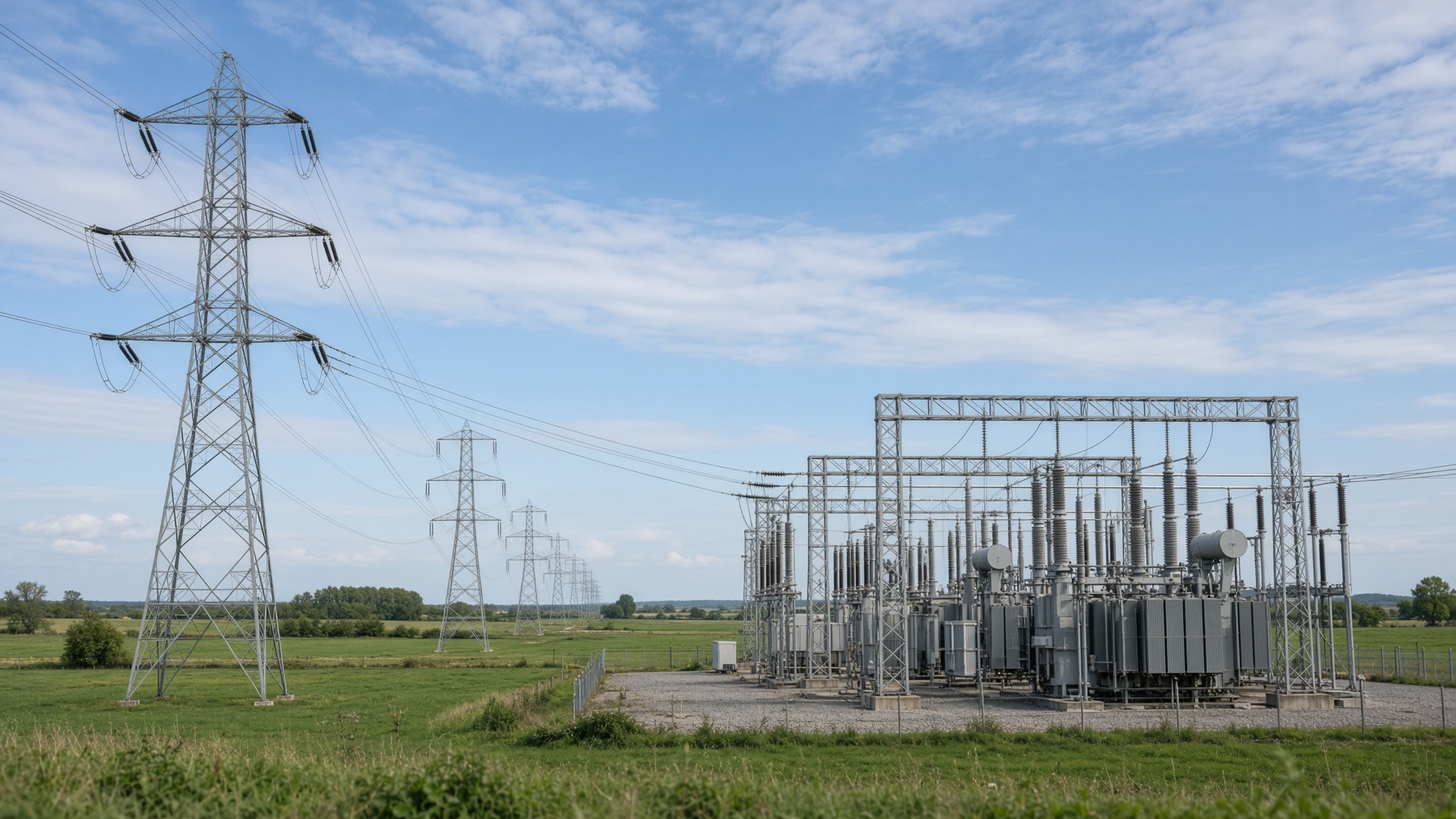
A military alliance used to assume the civilian grid would be there. Ukraine’s winters, and the U.S. advisory on pre-positioned access to American infrastructure, made that assumption look like a gap in the map. Transmission yards, ports, and fuel racks are political geography now.
The old assumption was that civilian machines would simply be there. Transmission yards, ports, and fuel racks serve ordinary life and the forces that depend on the same machines. Once those are read as a target list, the civilian side of an alliance is part of the military problem. Energy ministries and defense ministries end up in the same briefing for that reason. They are not there for a general tour of the world.
Ukraine’s winters made one gap obvious: a power system fought over in public, winter after winter. The U.S. advisory on pre-positioned access made a different gap obvious, on American networks, with the access in place before a crisis rather than debated after one. The facts are not the same fact. Together they retire the idea that the grid is only a backdrop.
Blackout Briefing’s geopolitics desk only follows that thread. We are not opening a general foreign desk. If a summit does not change the risk to electricity, fuel, warning time, or the supplies people need when those fail, it does not run here.
A summit that changes adjectives, and leaves electricity, fuel, warning time, and the supplies people need when those fail where they were, is a foreign story this desk will not borrow. It can matter somewhere else. The thread here is the machines. If the briefing did not touch a yard, a port, a fuel rack, or the time people get to prepare, it does not run.
The practical question for readers is whether their utility sits inside an alliance plan or only inside a rate case. Those are no longer separate documents.
A rate case is where poles, wires, and bills are argued in front of a commission. An alliance plan is where governments argue about what must not fail if the fighting starts. The same substation can sit in both and be described to the people beside it in neither language. The practical question is which document actually names the yard they depend on.
Sources
- Space Weather: An Overview of Policy and Select U.S. Government Roles (CRS R46049) — Congressional Research Service · the article this brief was written from
- Electromagnetic Pulse and Geomagnetic Disturbance — Cybersecurity and Infrastructure Security Agency
More in Geopolitics
- Pre-positioned network access is a foreign policy, not a hacker story
by: Andrew, Co-Founder at Blackout Briefing
- The spare transformer is a trade argument
by: Andrew, Co-Founder at Blackout Briefing
- Ukraine’s winter is an energy negotiation with the lights off
by: Andrew, Co-Founder at Blackout Briefing
Recent news
EMP
The civilian grid is still the soft target in a high-altitude pulseby: Andrew, Co-Founder at Blackout Briefing
CME
A Carrington-class storm is a when, not a science-fiction ifby: Andrew, Co-Founder at Blackout Briefing
Grid
Metcalf still explains the grid better than most white papersby: Andrew, Co-Founder at Blackout Briefing