Grid · Monday, October 19
Metcalf still explains the grid better than most white papers
In 2013, rifle fire at one California substation did more to focus Washington than a decade of slides.
by: Andrew, Co-Founder at Blackout Briefing
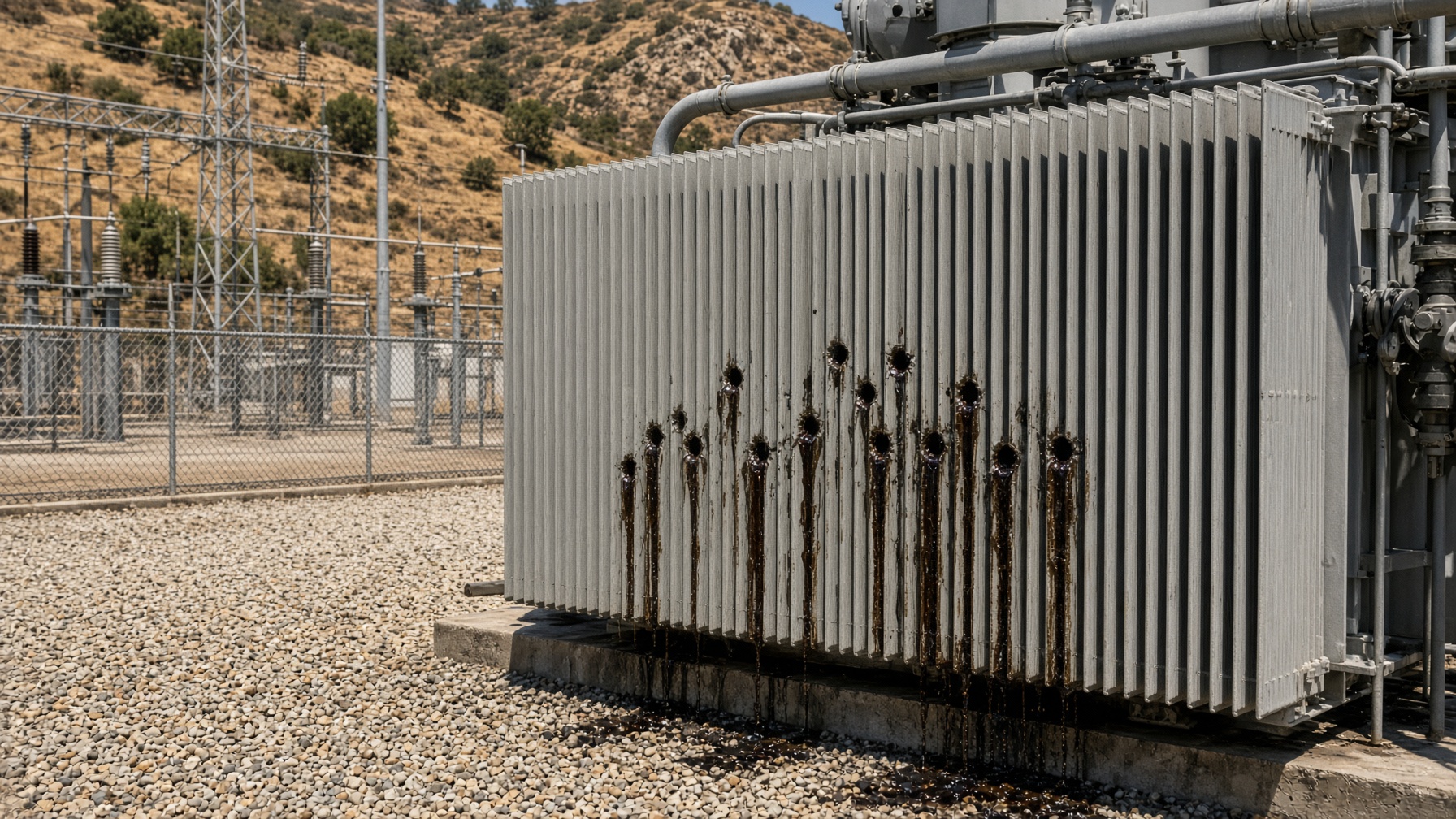
Attackers shot up the Metcalf transmission substation south of San Jose, damaging transformers and coming close to a wider outage. Power was rerouted. The lesson that stuck was not the caliber of the rifles. It was how little specialized skill it took to hurt a node the rest of the system quietly depends on.
Rerouting is why the night can look small in hindsight. Operators found other paths, and a wider outage was avoided. That margin was real. It is not a promise that the next damaged set of units will have a way around it. Success at one yard is evidence the node mattered, not evidence the system has spare nodes to burn.
Since then utilities have added cameras, fencing, and ballistic shielding at some high-value yards. The map is still full of sites that are rural, lightly staffed, and full of equipment with year-long replacement cycles. A campaign against several of them on the same night is a different problem than a single vandalism case.
Rural and lightly staffed is how much of the transmission system normally works. Corridors cross open country, and a yard does not need a crowd in order to move power. The same quiet turns damage into something discovered after the fact. Cameras and fencing at some high-value sites do not change the replacement cycle at the yards that never got them.
Physical attack, cyber intrusion, and electromagnetic insult are usually briefed as separate chapters. On the ground they fail the same machines. A serious resilience plan treats the transformer as the asset, not the motive of whoever is trying to break it.
One vandalized yard is a repair and a police report. Several yards on the same night is a spare-parts problem and a staffing problem together. Crews cannot stand at every site, and the long-lead equipment was never stocked on the assumption it would be lost in a cluster. The difference is correlation. It does not require a more elaborate motive to be a worse outage.
Investigators should still care who did it. The grid does not get its transformers back any faster for having the right villain in the briefing. A plan sorted by motive produces separate chapters that fail the same machines. A plan sorted by the asset asks, for each critical unit, what happens to the system during the year it takes to replace.
Sources
- Power Grid: Target in 'New Attack on America'? — CBN News · the article this brief was written from
- Evaluation of the Physical Security Reliability Standard and Physical Attacks on the Bulk-Power System — Federal Energy Regulatory Commission
- Electromagnetic Pulse and Geomagnetic Disturbance — Cybersecurity and Infrastructure Security Agency
More in Grid
- San Antonio’s hardening pilot is a template, not a finish line
by: Andrew, Co-Founder at Blackout Briefing
- Inverter-based resources changed where the grid can break
by: Andrew, Co-Founder at Blackout Briefing
- Volt Typhoon is the cyber version of pre-positioning
by: Andrew, Co-Founder at Blackout Briefing
Recent news
EMP
The civilian grid is still the soft target in a high-altitude pulseby: Andrew, Co-Founder at Blackout Briefing
CME
A Carrington-class storm is a when, not a science-fiction ifby: Andrew, Co-Founder at Blackout Briefing
Survival
The first seventy-two hours are a sequence, not a vibeby: Andrew, Co-Founder at Blackout Briefing