Section
CME
18 briefs from the last two weeks.
Monday, October 19
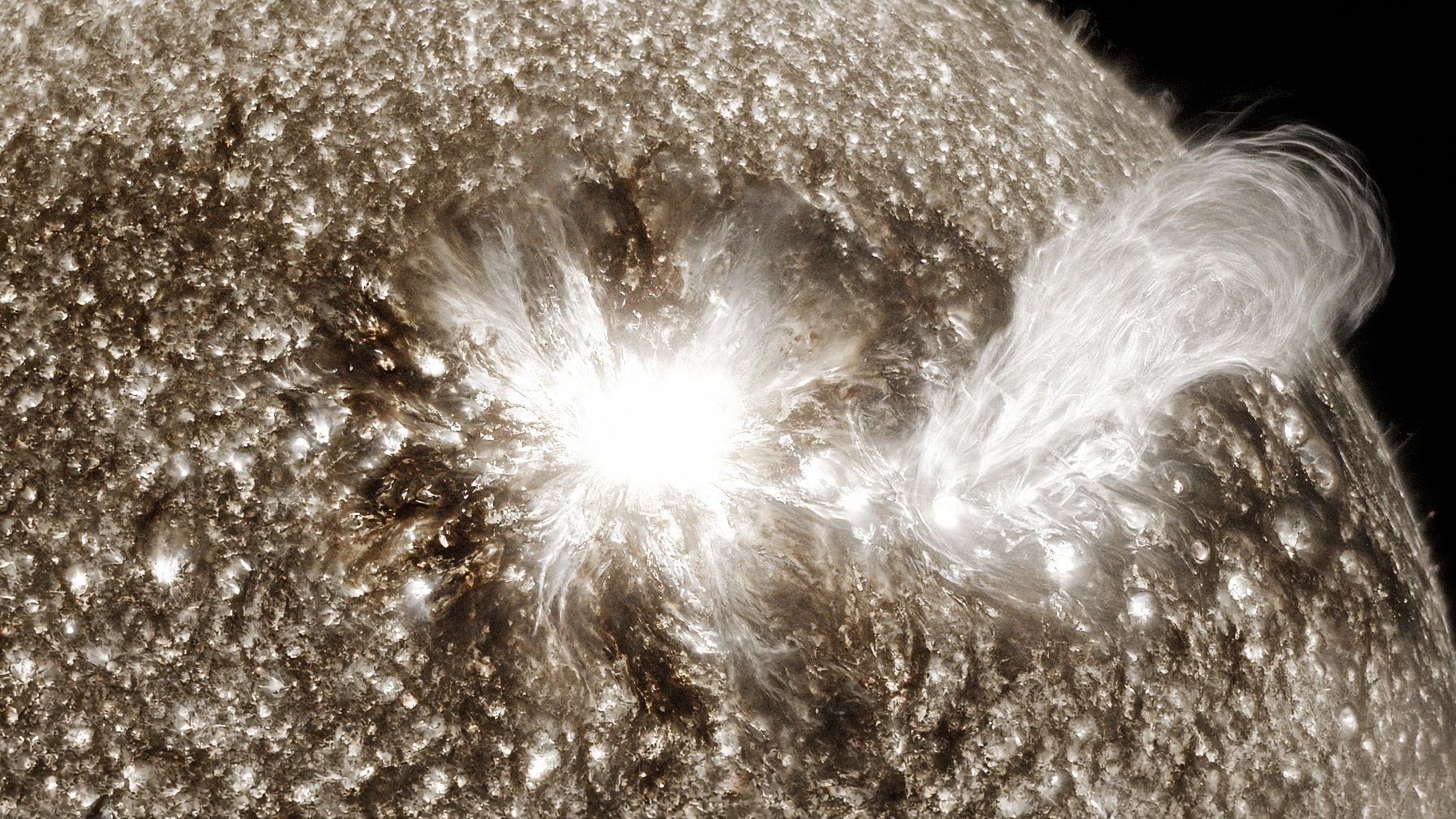
A Carrington-class storm is a when, not a science-fiction if
The 1859 event is the benchmark. A near-miss in 2012 showed the sun still throws storms of that size.

Sunday, October 18
G2 is a nuisance until it is pointed at the wrong transformer
Moderate storms mostly mean alarms and aurora. The tail of the distribution is what grid desks watch.
Saturday, October 17
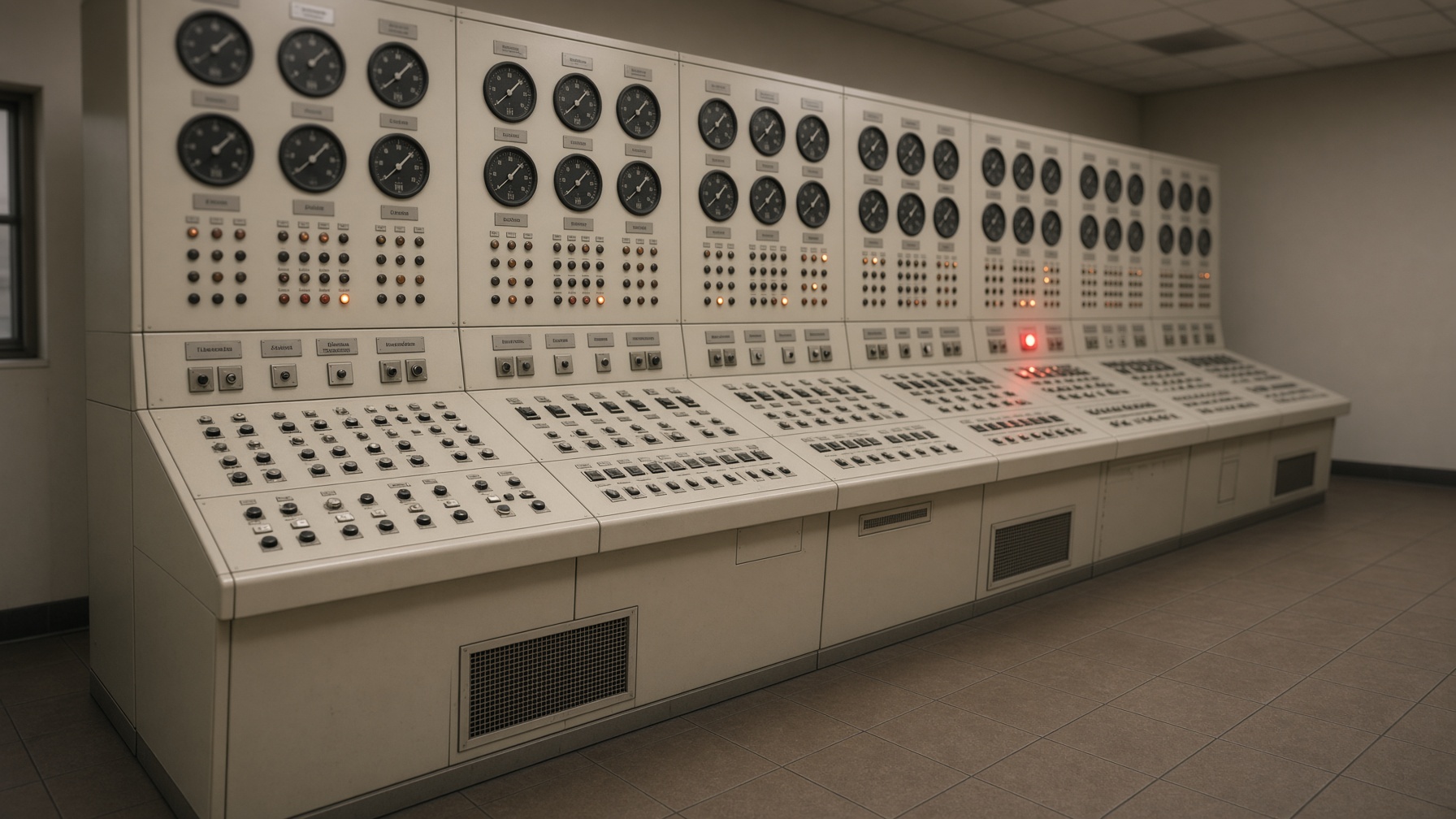
Quebec, 1989, is still the cleanest warning the grid has
A geomagnetic storm collapsed the Hydro-Québec system in ninety seconds. It was not a Carrington event.
Saturday, October 17
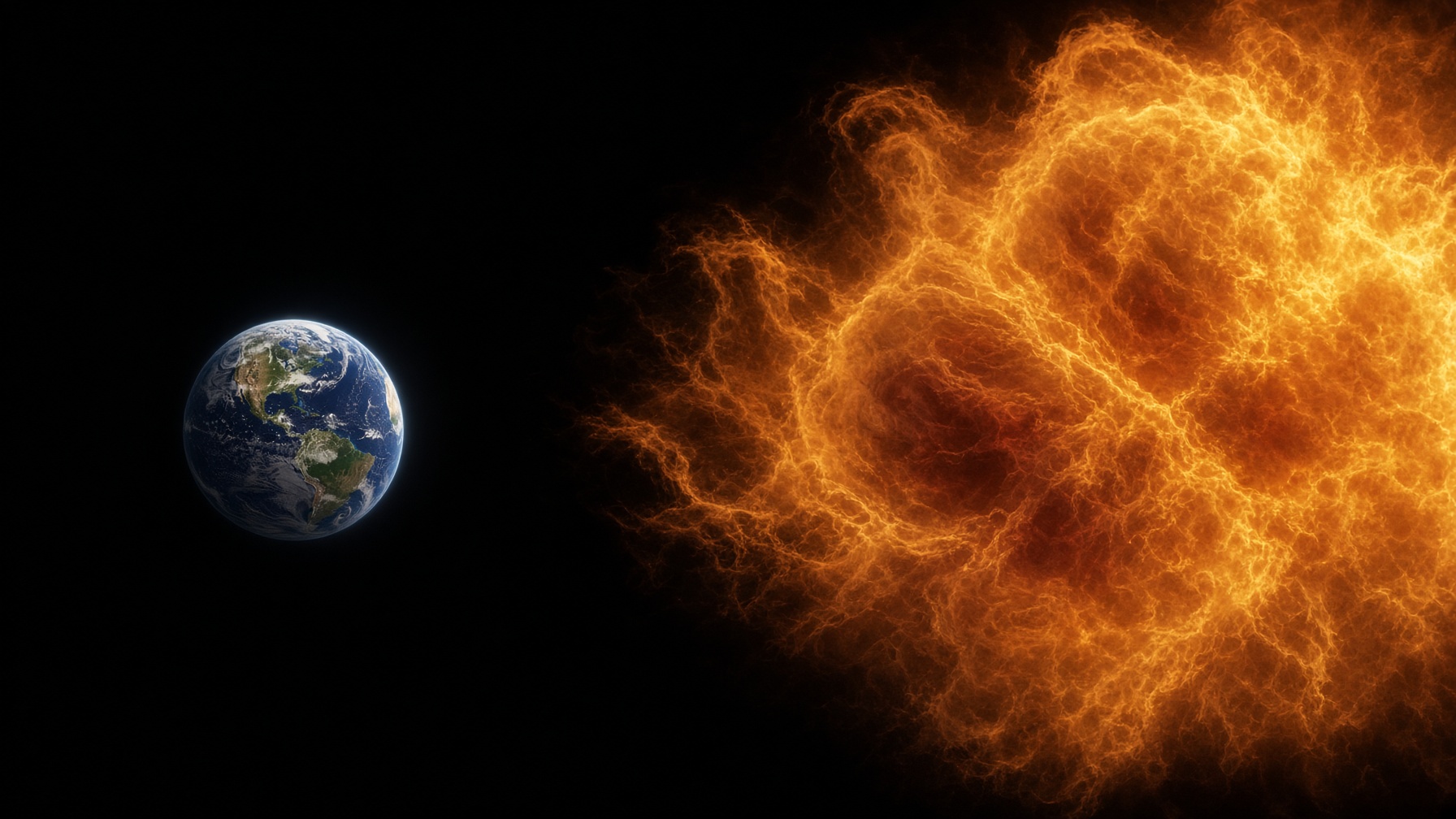
The 2012 storm missed Earth by about nine days
NASA has said a Carrington-class CME that year would have hit if the planet had been a little farther along in its orbit.
Friday, October 16
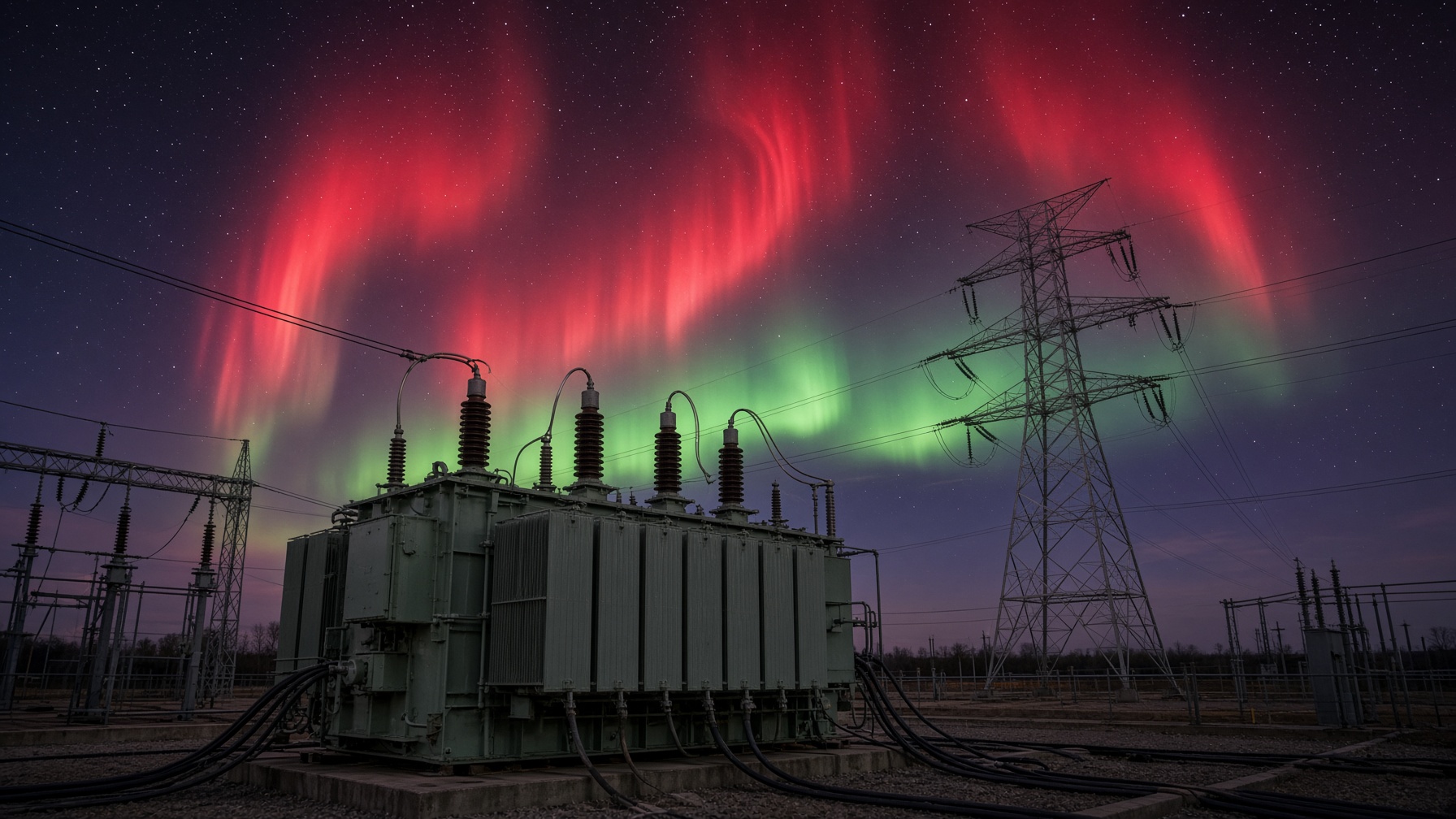
Aurora photos are not a severity scale
A beautiful sky can mean a moderate storm. The dangerous number is induced current, which nobody posts to Instagram.
Thursday, October 15
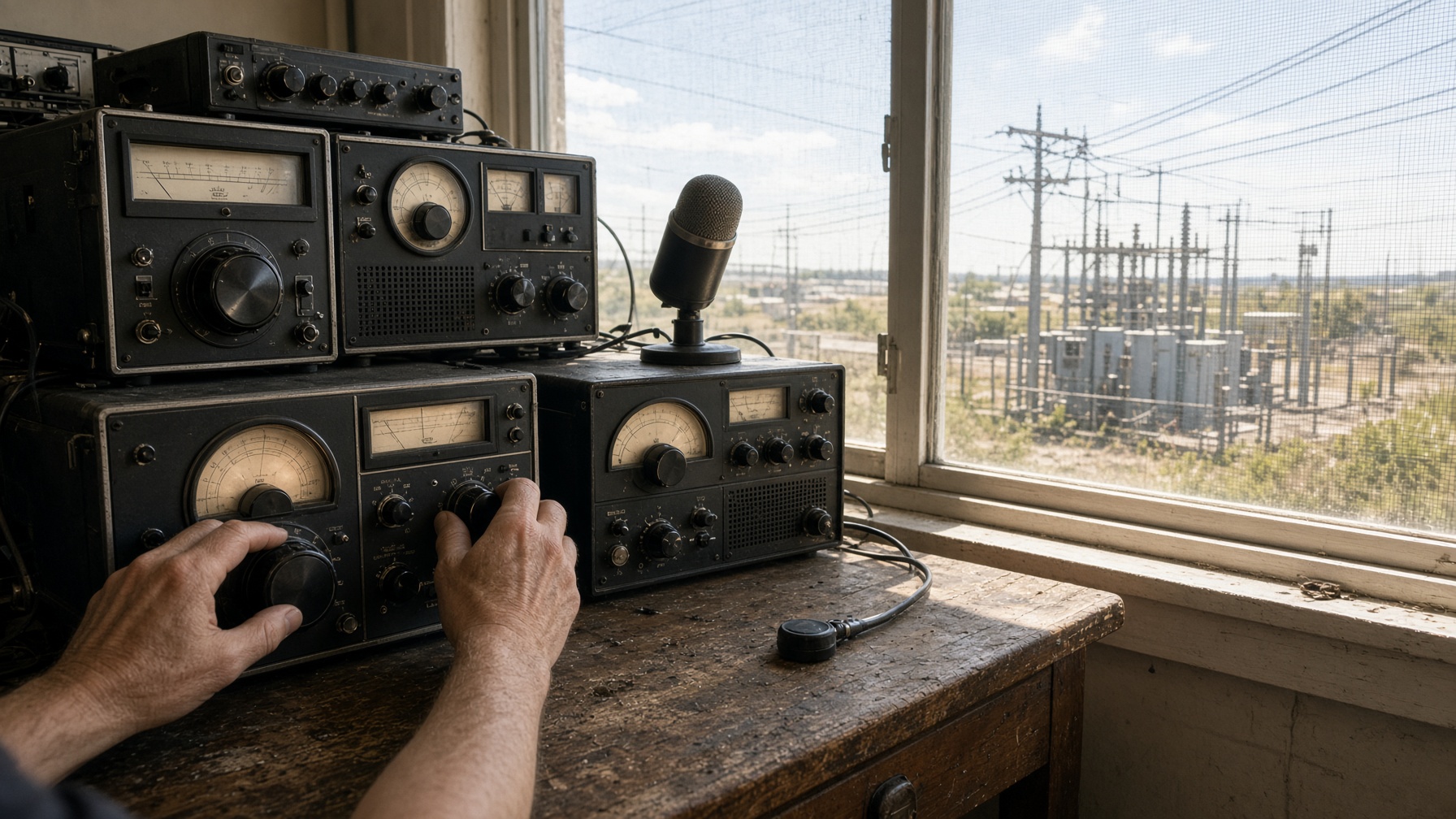
Radio blackouts and grid storms are cousins, not twins
An X-ray flare can silence high-frequency radio on the day side while the CME, if any, is still in transit.
Wednesday, October 14
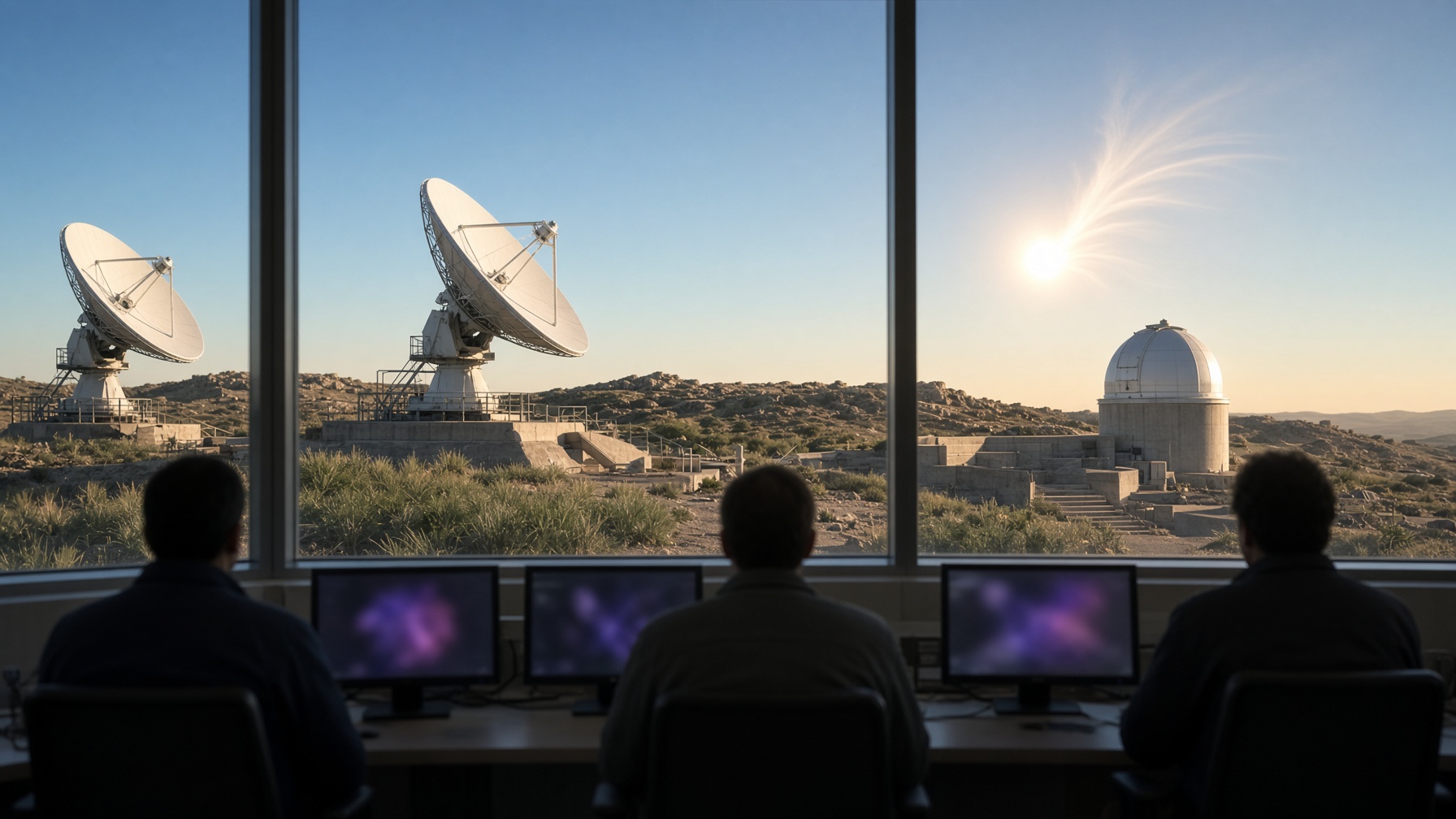
Forecasts are finally good enough to be operational
Satellites see eruptions leave the sun. The remaining gamble is the magnetic field that decides how hard they hit.
Tuesday, October 13
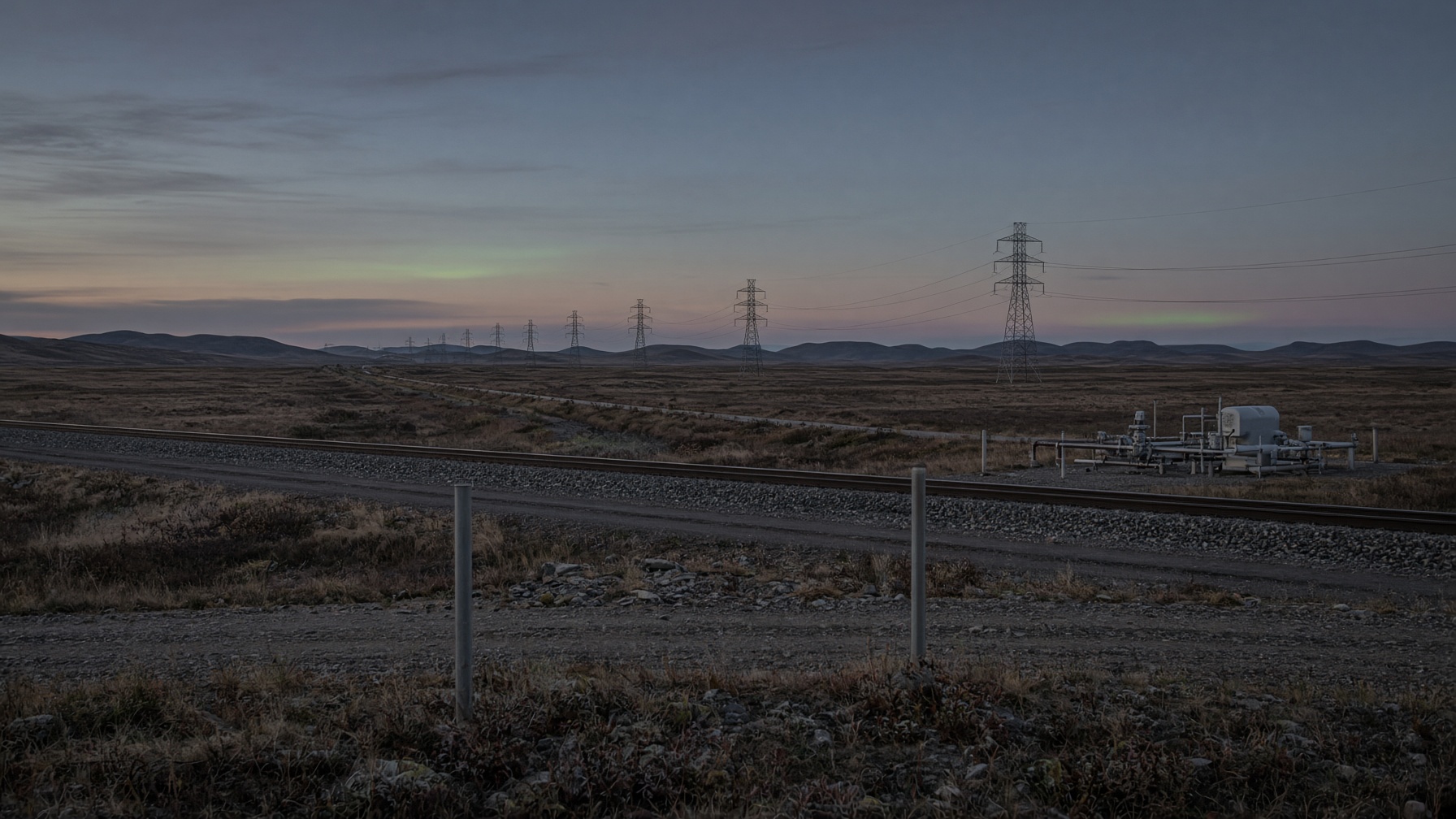
Pipelines and railways feel the same storm the grid does
Induced current is not polite about industry boundaries. It flows in whatever long metal you buried or bolted down.
Tuesday, October 13
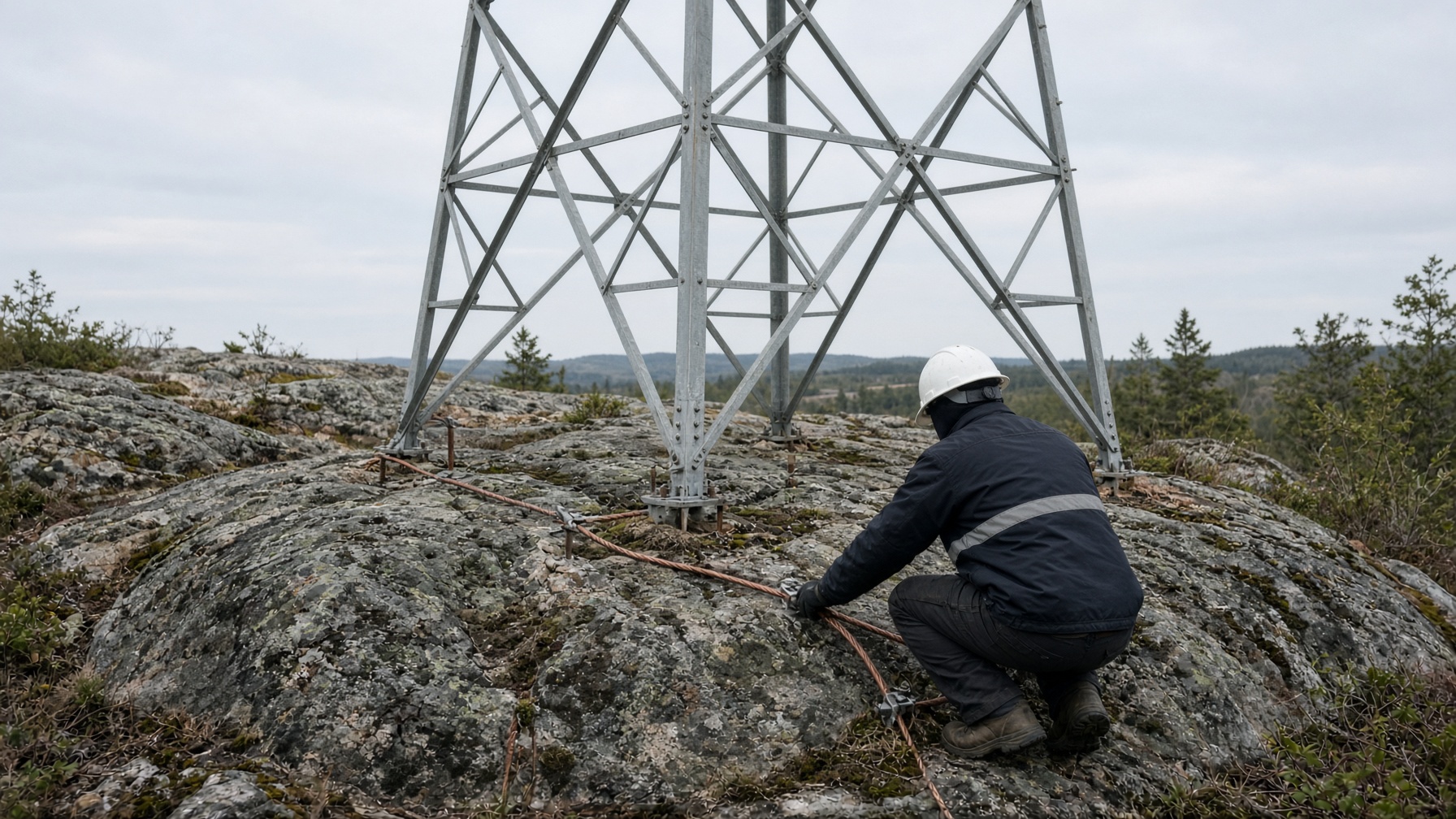
The ground under the line is part of the circuit
Resistive rock makes a worse geomagnetic storm. Utilities cannot move the bedrock. They can move the procedures.
Monday, October 12
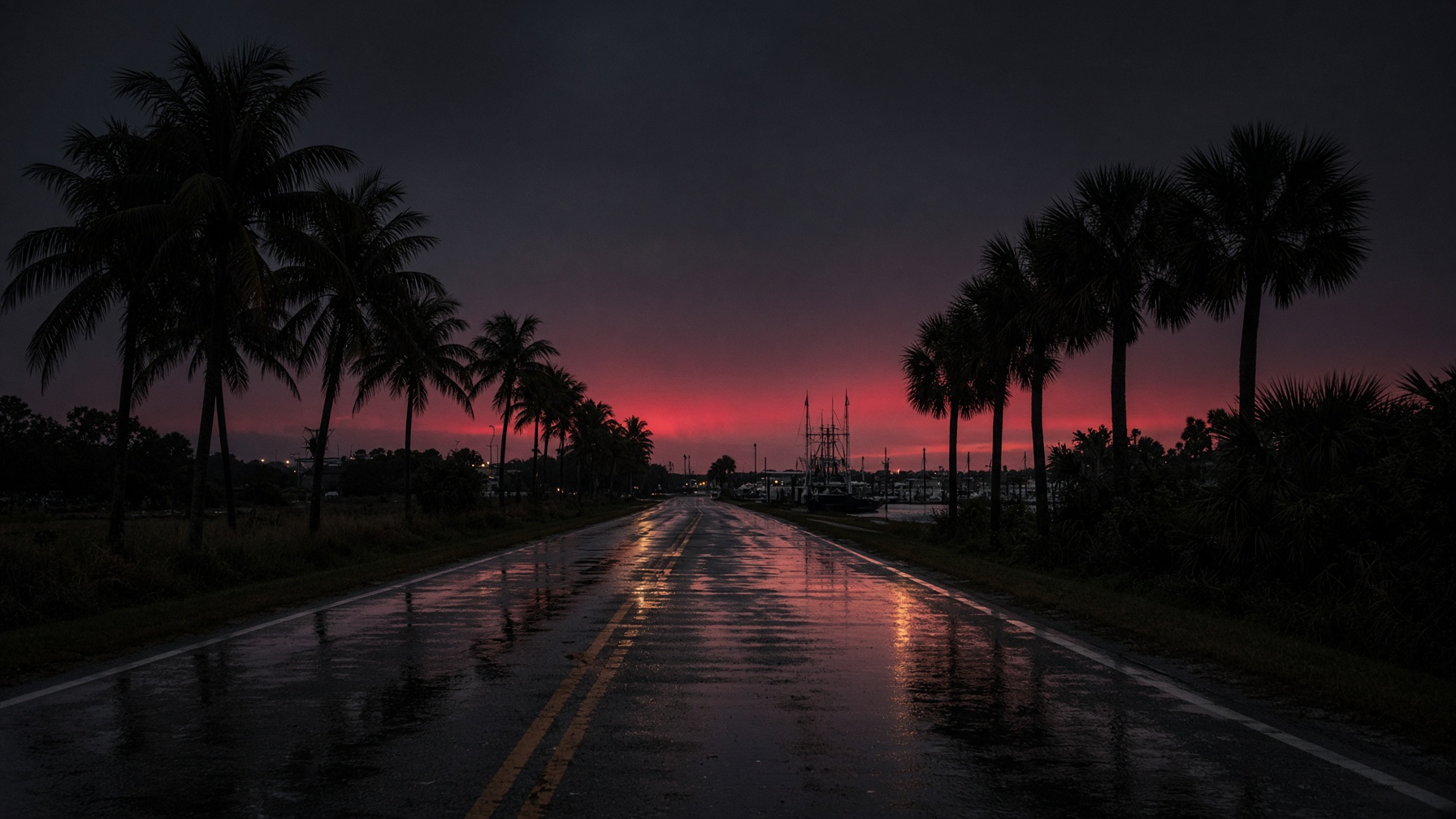
A G5 is the storm that reaches the Gulf, not just Minnesota
On NOAA’s scale, extreme geomagnetic storms can push aurora to Florida and real operational trouble far outside the usual belt.
Sunday, October 11
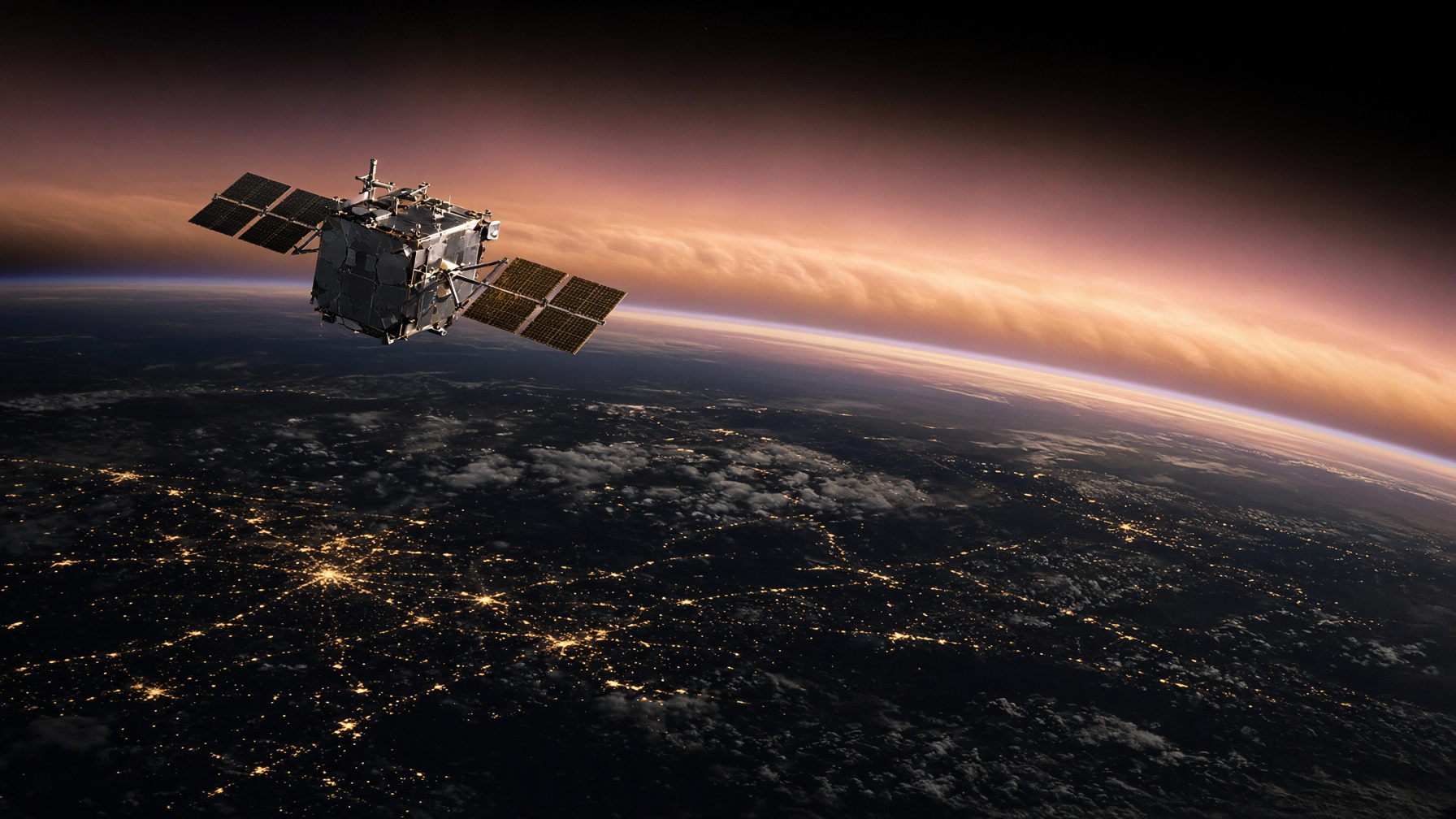
Satellite drag is how a solar storm taxes the sky
When the upper atmosphere swells, orbits decay. The grid is not the only machine in the circuit.

Sunday, October 11
Storm watches are for professionals. Habits are for everyone else.
You will not out-analyze NOAA. You can be the house that already has water when the watch turns into a warning.

Saturday, October 10
The Carrington Event was two storms, and the second one mattered
September 1859 was not a single blink. The sun hit, and then hit again while the system was already disturbed.
Friday, October 9
M-class flares are common. Earth-directed CMEs are the filter.
Most solar fireworks are not aimed at us. The ones that are get a grid desk’s attention.
Friday, October 9
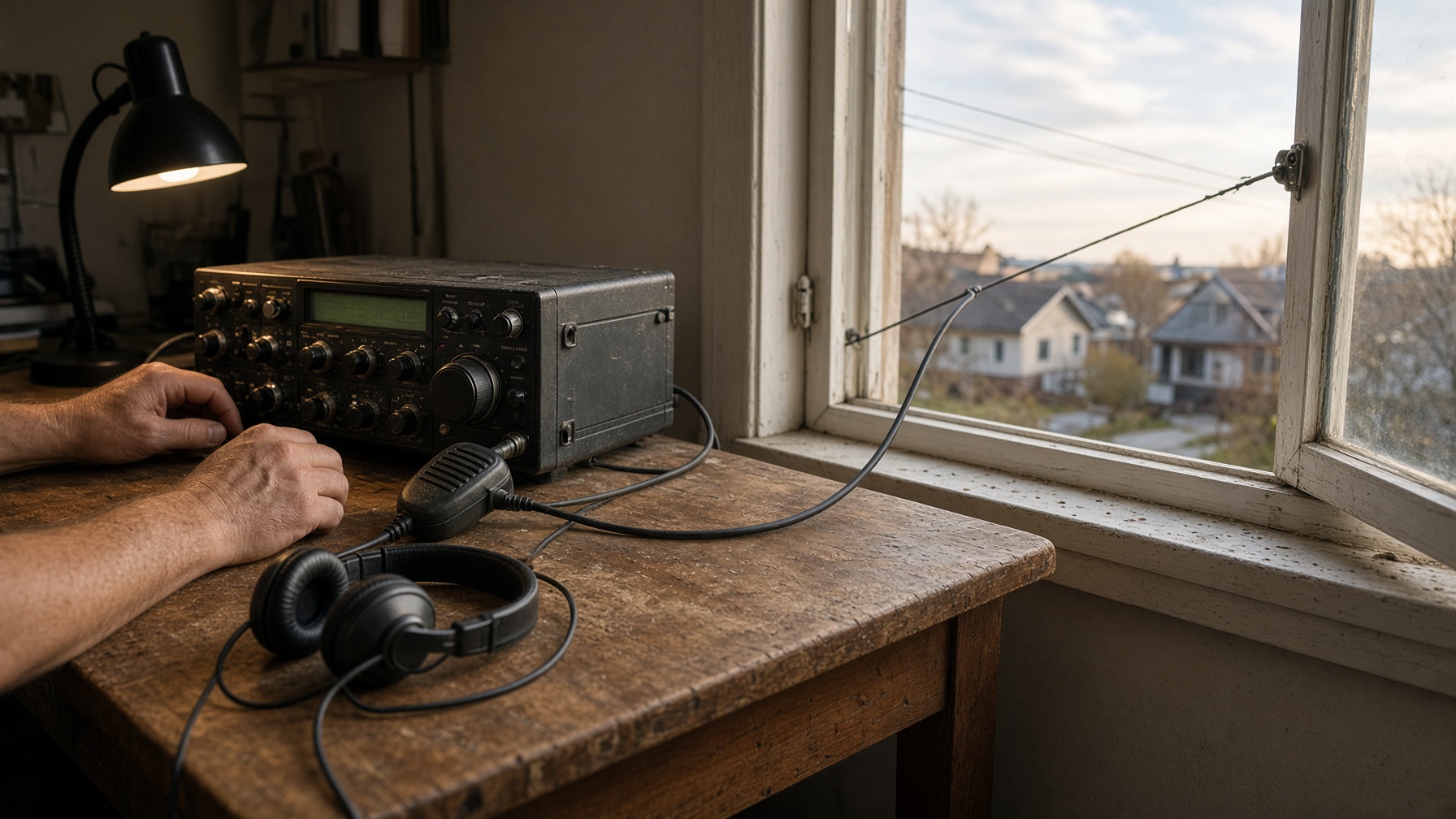
Ham radio operators are a reserve, not a miracle
They pass traffic when other systems fail — if their own stations survived and they drilled the message format.
Thursday, October 8
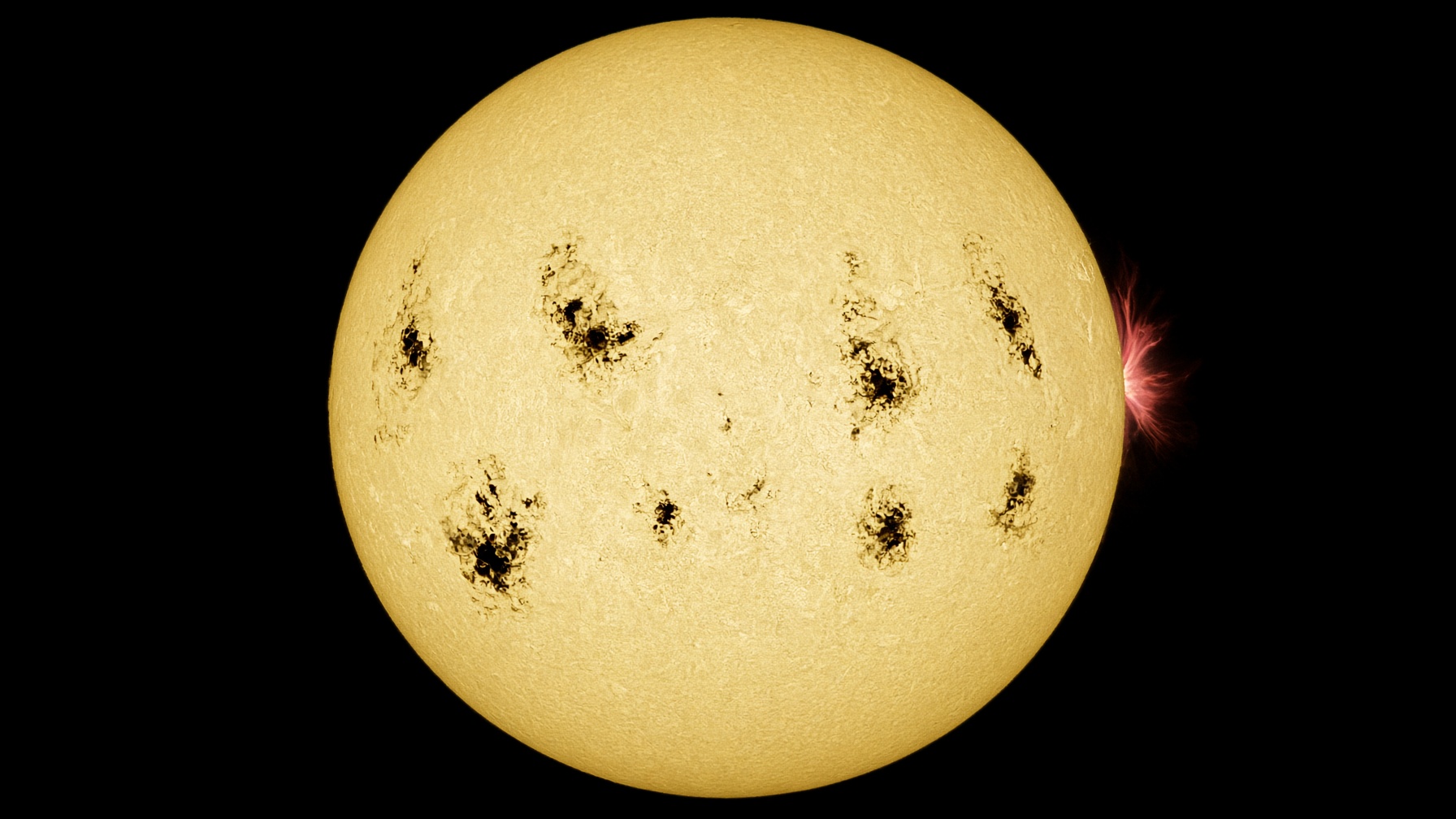
Solar maximum makes more weather. It does not make Carrington inevitable this year.
Cycle 25’s busy sun raises the rate of flares and CMEs. The extreme tail is still a tail.
Wednesday, October 7
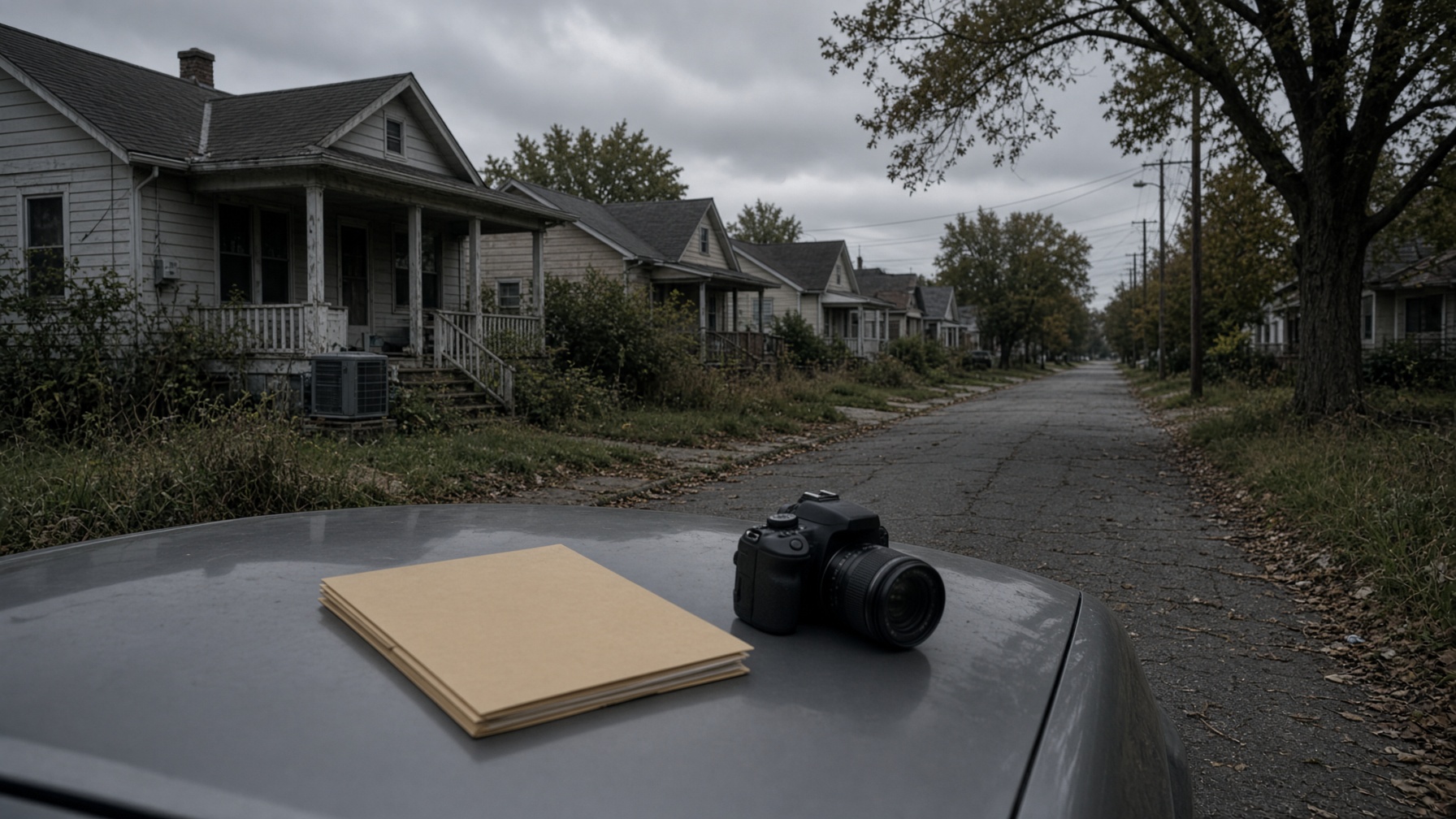
Insurance does not currently price a year-long grid failure
Homeowners policies assume adjusters, supply chains, and a functioning payments system. A Carrington-scale event breaks the assumptions.

Tuesday, October 6
How to read a space-weather watch without losing your afternoon
Scale, timing, and what is actually at risk. Three questions. Then go outside or go back to work.