Survival · Monday, October 19
The first seventy-two hours are a sequence, not a vibe
Refrigerators warm in hours. Cell towers and ATMs fade inside a day. Many water systems lose pressure by the second night.
by: Andrew, Co-Founder at Blackout Briefing
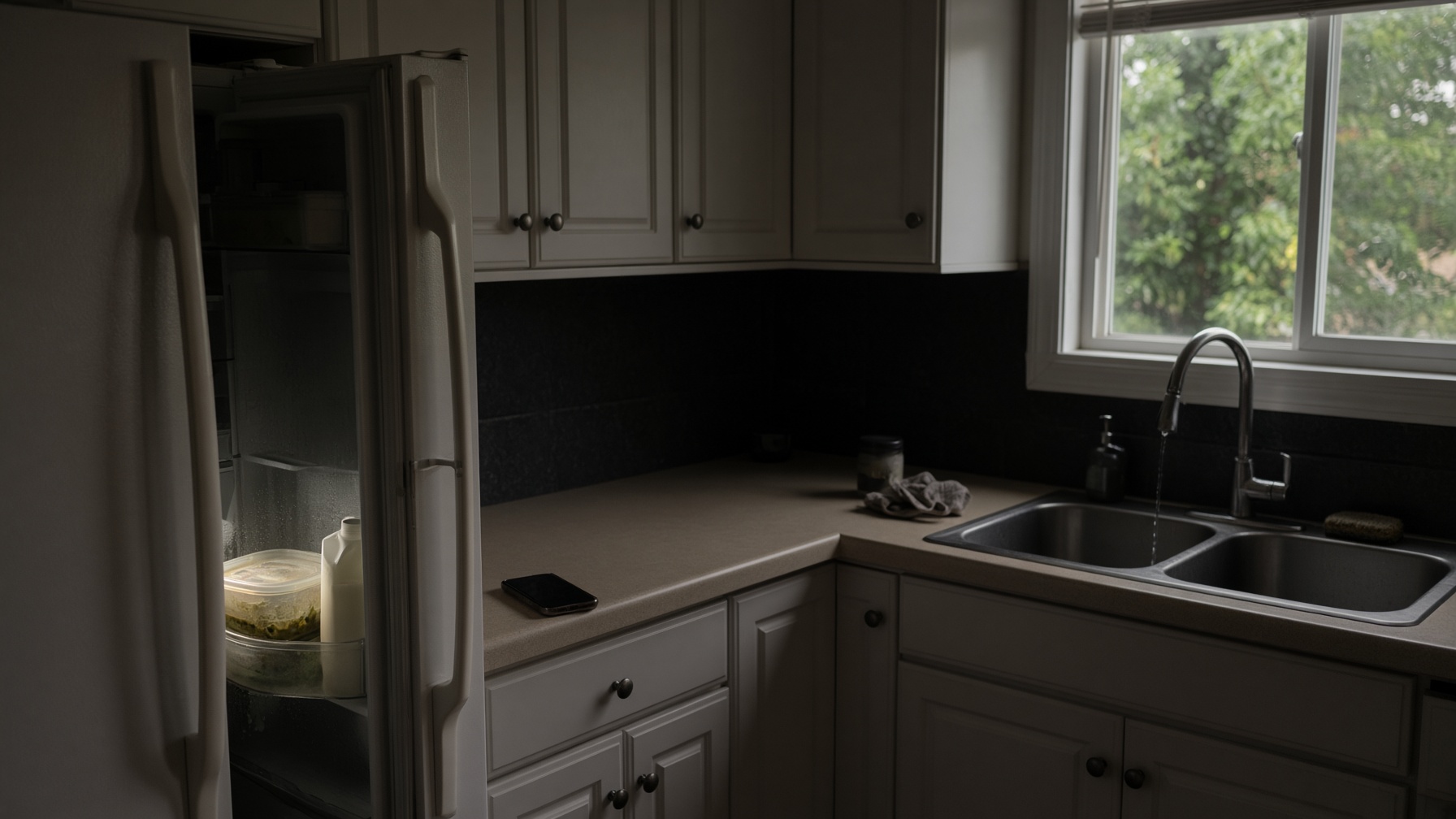
If the bulk grid goes dark across a city, the failure is boring before it is dramatic. Within about four hours a typical refrigerator is no longer a safe place for meat or milk. By the end of the first day, backup batteries at many cell sites and ATMs are exhausted. By roughly forty-eight hours, municipal pumps that have no generator or fuel plan stop holding pressure.
The street still looks like a street while those clocks run. A refrigerator does not announce that the meat is no longer safe. A cell site does not announce that its battery is the only thing left. People who wait for the scene to look dramatic will wait past the hours when the ordinary steps still matter.
The old rule of threes still sorts the shopping list: shelter against the weather you actually have, water you can drink, then calories. A hand-crank or battery NOAA radio is the piece people skip and then wish they had, because phones are both the news and the first thing that goes quiet.
When many cell sites and ATMs go quiet, two ordinary tools go with them: the phone and the card. Cash already in the house does not need a network. A balance on a screen does, once the machine and the authorization behind it are both down. That is a first-day problem, not a late-stage one.
None of this requires a bunker. It requires deciding, on an ordinary Monday, where the water is stored and who in the household knows how to purify more of it.
The order on the list is doing the work. Calories do not fix a night you cannot shelter from, and a full pantry does not fix a day without water you can drink. The radio is on the list because the other decisions get worse when every household is guessing. Phones are a poor place to store the only copy of the news.
Decide who, not just where. If one person knows which water is drinkable and how to treat more, the plan is a secret. On a normal day, write the first-night sequence where the rest of the household can read it without asking: water, the radio, a check of the cold food, then the next source of water.
Sources
- Power Outages — Ready.gov / FEMA · the article this brief was written from
- Build a Kit — Ready.gov / FEMA
- Electromagnetic Pulse and Geomagnetic Disturbance — Cybersecurity and Infrastructure Security Agency
More in Survival
- A three-day kit is the opening bid, not the whole plan
by: Andrew, Co-Founder at Blackout Briefing
- Seven days in, the problem is information as much as calories
by: Andrew, Co-Founder at Blackout Briefing
- Prescriptions are the prep item people notice too late
by: Andrew, Co-Founder at Blackout Briefing
Recent news
EMP
The civilian grid is still the soft target in a high-altitude pulseby: Andrew, Co-Founder at Blackout Briefing
CME
A Carrington-class storm is a when, not a science-fiction ifby: Andrew, Co-Founder at Blackout Briefing
Grid
Metcalf still explains the grid better than most white papersby: Andrew, Co-Founder at Blackout Briefing