Survival · Saturday, October 10
Neighbors with medical devices should be on a paper list
Utilities keep registries for planned shutoffs. A block can keep a smaller, kinder version.
by: Andrew, Co-Founder at Blackout Briefing
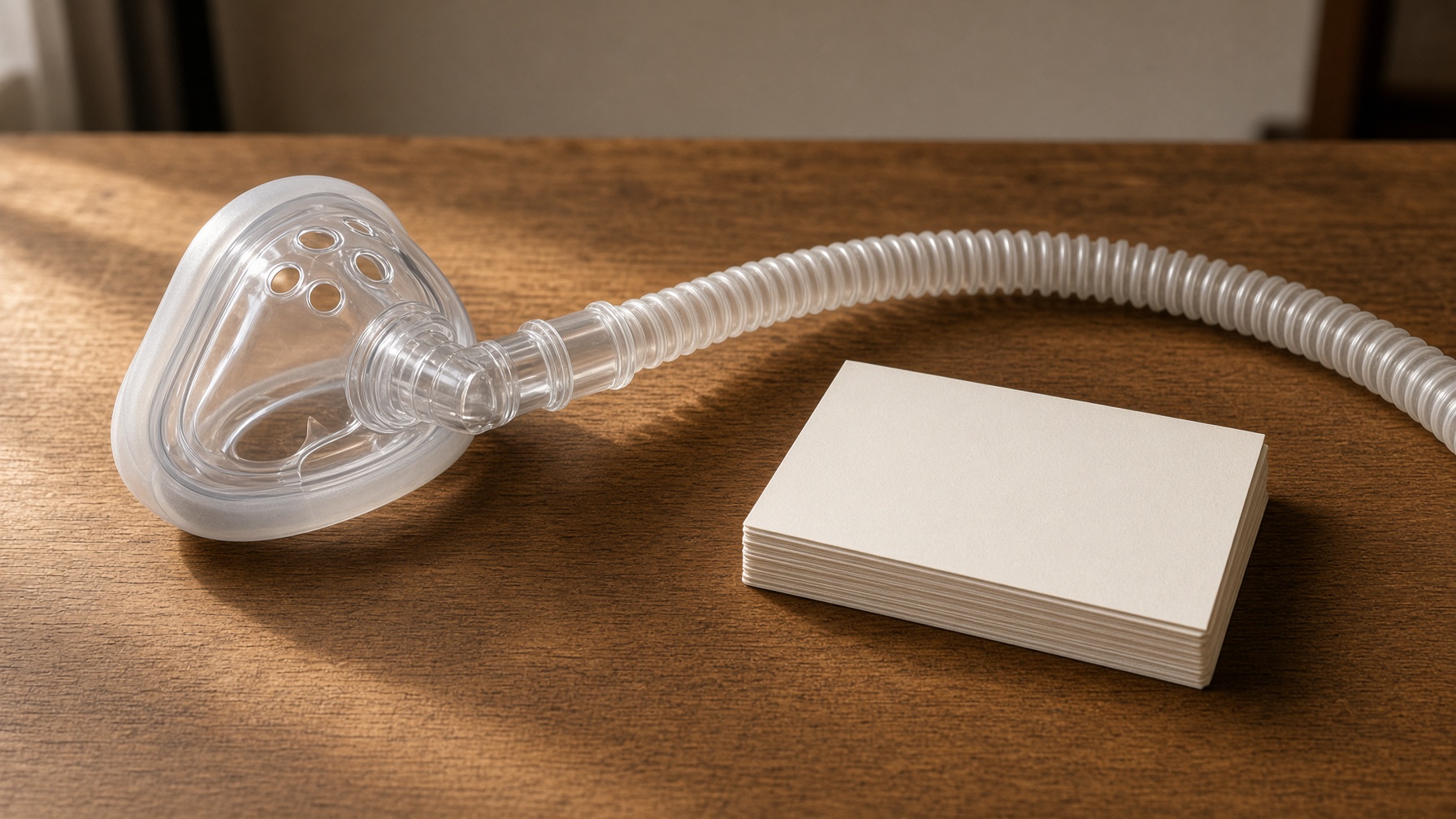
If the power goes out without warning, the people who need it for a concentrator, a wheelchair lift, or refrigerated medicine have minutes to hours, not a planning cycle. A household that knows who they are can knock before the situation is an ambulance call that may not come.
Utilities already keep medical registries for planned shutoffs, which is an admission that a list matters when the shutoff is announced. An unannounced blackout does not consult the registry in time to knock, and a registry does not walk the block. The block’s list is smaller, unofficial, and only useful if it is on paper in the hands of someone who will walk.
Offer help you can actually give: a charged battery, a ride to a powered site, a check at dusk. Do not collect their diagnoses in a group chat.
The paper list can be as short as a name, a door, and the kind of help that matters — needs a check, needs cold storage, needs a ride. It does not need a medical history. A diagnosis in a chat outlives the outage. The person already knows what they have. They need the knock.
A charged battery only helps if it fits the device, and many medical devices are particular. Do not promise a universal plug you do not have. A ride to a site that still has power, offered early, may be worth more than a mismatch of connectors at the kitchen table. Ask on a calm day what would actually help, and write that down.
This is the smallest version of the microgrid idea. It does not require a grant.
It requires the conversation before the lights go out, because afterward the person may not be able to come to the door and explain. Small, specific, and on paper beats a neighborhood app that dies with the tower. You are not standing up a clinic. You are making sure the known doors get a knock while a knock can still change the hour.
Sources
- Build a Kit — Ready.gov / FEMA · the article this brief was written from
- Electromagnetic Pulse and Geomagnetic Disturbance — Cybersecurity and Infrastructure Security Agency
More in Survival
- The first seventy-two hours are a sequence, not a vibe
by: Andrew, Co-Founder at Blackout Briefing
- A three-day kit is the opening bid, not the whole plan
by: Andrew, Co-Founder at Blackout Briefing
- Seven days in, the problem is information as much as calories
by: Andrew, Co-Founder at Blackout Briefing
Recent news
EMP
The civilian grid is still the soft target in a high-altitude pulseby: Andrew, Co-Founder at Blackout Briefing
CME
A Carrington-class storm is a when, not a science-fiction ifby: Andrew, Co-Founder at Blackout Briefing
Grid
Metcalf still explains the grid better than most white papersby: Andrew, Co-Founder at Blackout Briefing