Unrest · Tuesday, October 6
When the lights return, the argument does not
Restoration ends the emergency and starts the fight over what was neglected.
by: Andrew, Co-Founder at Blackout Briefing
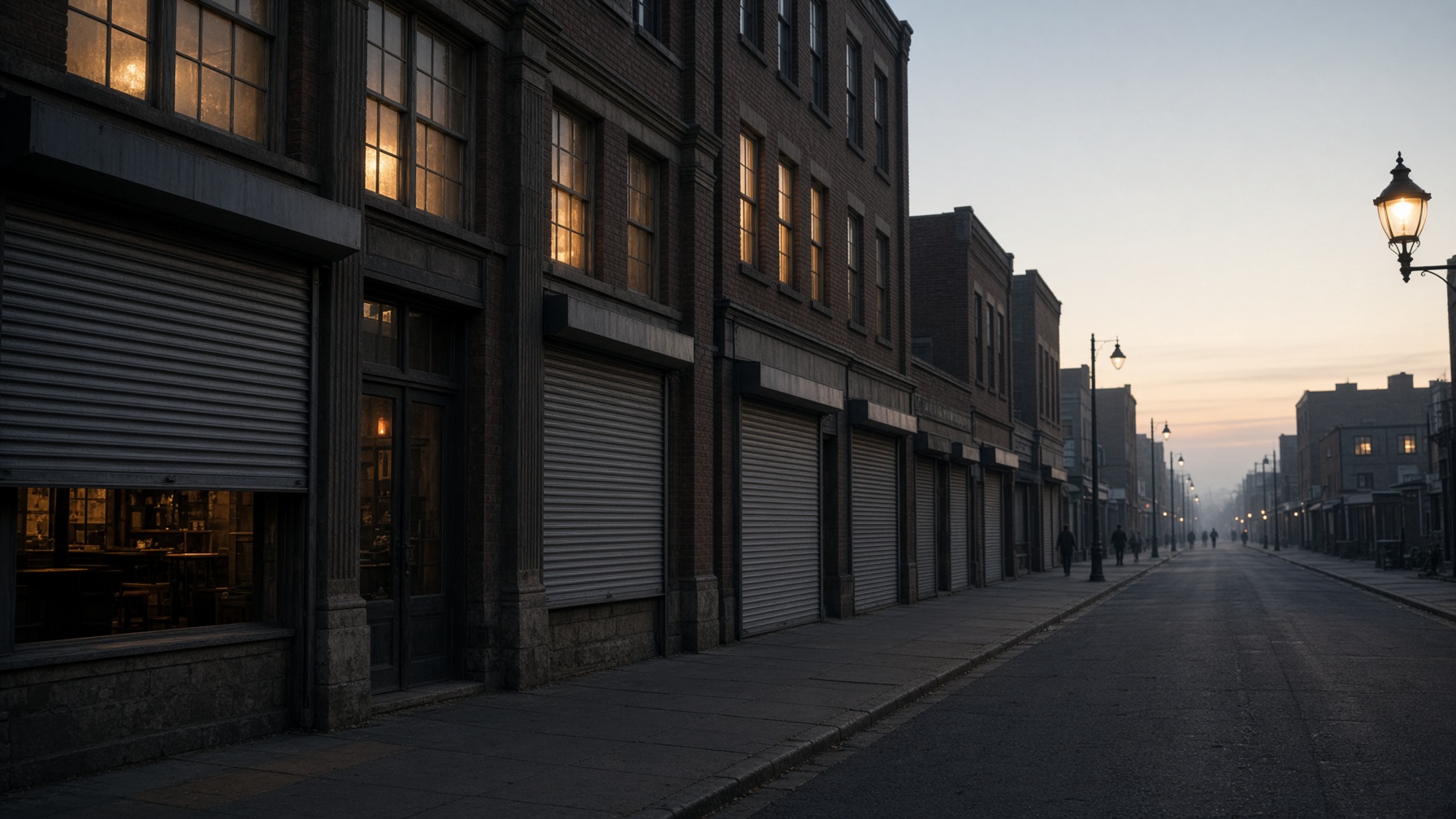
After a major outage, the hearings follow a script: why the spare was not there, why the warning was late, who looted, who overreacted, which neighborhood came back last. Those arguments are part of the event. Pretending the politics end at the first restored feeder is how the next outage inherits the same distrust.
Restoration ends the operational emergency. Crews go to the next job. The argument starts when people can sit in a hearing and charge a phone. Those are different endings. Treating the first restored feeder as the close of the politics is how the next outage inherits a room that already does not believe the timeline.
Which neighborhood came back last is the detail a tidy account drops first. It is also the detail people remember without being asked. A hearing that cannot say the order of restoration is not only a technical briefing. It is a request that the fight over neglect be considered finished because the lights, somewhere, are on.
The useful citizen habit is to write down what you were told and when, while you remember it. Official timelines get tidied. A notebook does not.
The notebook is not a verdict on who looted or who overreacted. Both will be claimed, which is why both are already in the script. The page is what you were told, and at what hour, before a later statement revised it. A month afterward, memory will have agreed with whichever telling you heard most. The notebook will not have done that.
This section will stay on that aftermath. War, weather, and crime can share a symptom. They should not be allowed to share an excuse.
A shared symptom is a dark city. A shared excuse is the sentence that uses the dark to close every question at once. A storm is not a reason to skip the spare that was never there. An attack is not a reason to skip which neighborhood came back last. Crime during the outage is not a reason to skip the cause of the outage. The aftermath is where those get separated, if they were written down while the power was still out.
Sources
- Con Edison power failure of July 13 and 14, 1977. Final staff report — U.S. Department of Energy / OSTI · the article this brief was written from
- Evaluation of the Physical Security Reliability Standard and Physical Attacks on the Bulk-Power System — Federal Energy Regulatory Commission
- Electromagnetic Pulse and Geomagnetic Disturbance — Cybersecurity and Infrastructure Security Agency
More in Unrest
- Attacks on substations are now a pattern in the public record
by: Andrew, Co-Founder at Blackout Briefing
- The 1977 New York blackout was a social failure on top of an electrical one
by: Andrew, Co-Founder at Blackout Briefing
- Rumor is the accelerant once the phones thin out
by: Andrew, Co-Founder at Blackout Briefing
Recent news
EMP
The civilian grid is still the soft target in a high-altitude pulseby: Andrew, Co-Founder at Blackout Briefing
CME
A Carrington-class storm is a when, not a science-fiction ifby: Andrew, Co-Founder at Blackout Briefing
Grid
Metcalf still explains the grid better than most white papersby: Andrew, Co-Founder at Blackout Briefing