Grid · Thursday, October 15
A heat-driven grid emergency is not an EMP. It is a preview of fragility.
When operators are already out of spare generation, any extra insult lands harder.
by: Andrew, Co-Founder at Blackout Briefing
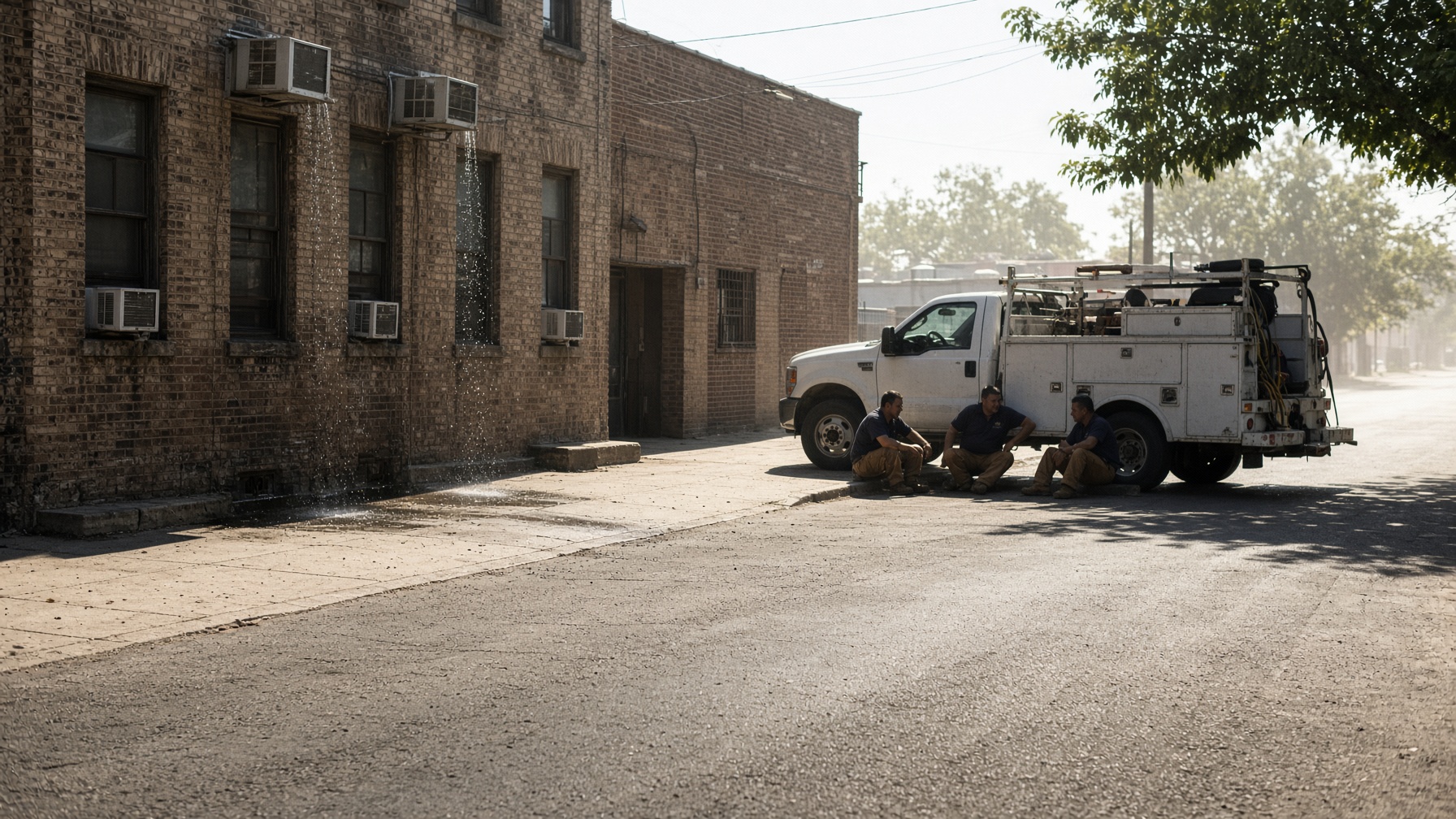
This fall, heat pushed PJM — the grid serving the mid-Atlantic and more — into emergency operations and a federal order to keep extra generation available. Demand was high. Maintenance season had units offline. Nobody needed a solar storm to make the margin thin.
Emergency operations are a defined grid condition. Operators were already outside the ordinary day, and a federal order to keep extra generation available means units that might have come offline were held. Demand was high. Maintenance had other units out. That is strain, handled inside the rules written for strain. It is evidence of a thin margin, which is why it is still not “the big one.”
That episode is not “the big one.” It is evidence that the system already spends days with less slack than the public thinks. A geomagnetic storm or a substation attack on a day like that is subtracting from a smaller number.
Heat and maintenance season can occupy the same week. Work that has to be done takes generation off the system just as load refuses to drop. The public version, if it shows up at all, is a price spike or a conservation alert. The operator version is less room between the day they are having and a worse one. No solar storm is required to get there.
Households feel this as price spikes and conservation alerts. The structural point is the same one resilience people make about winter: stress stacks.
Slack is the capacity you can lose without the loss becoming the event. On a thick day, one more insult is an inconvenience inside a system that has room. On a day already in emergency operations, a geomagnetic storm or a damaged substation subtracts from a smaller number. The insult does not have to be historic. The calendar only has to be crowded.
Households cannot repair a regional reserve margin. They can treat a conservation alert as information about the week they are in: charge the radio, know the outage channel, and do not assume the system is as loose as a normal evening. The resilience point is the same one winter makes. Stress stacks, and the stack is already partly built before anything exotic arrives.
Sources
- PJM Implements Conservative Operations as Heat Wave Continues — PJM Interconnection · the article this brief was written from
- Evaluation of the Physical Security Reliability Standard and Physical Attacks on the Bulk-Power System — Federal Energy Regulatory Commission
- Electromagnetic Pulse and Geomagnetic Disturbance — Cybersecurity and Infrastructure Security Agency
More in Grid
- Metcalf still explains the grid better than most white papers
by: Andrew, Co-Founder at Blackout Briefing
- San Antonio’s hardening pilot is a template, not a finish line
by: Andrew, Co-Founder at Blackout Briefing
- Inverter-based resources changed where the grid can break
by: Andrew, Co-Founder at Blackout Briefing
Recent news
EMP
The civilian grid is still the soft target in a high-altitude pulseby: Andrew, Co-Founder at Blackout Briefing
CME
A Carrington-class storm is a when, not a science-fiction ifby: Andrew, Co-Founder at Blackout Briefing
Survival
The first seventy-two hours are a sequence, not a vibeby: Andrew, Co-Founder at Blackout Briefing