Grid · Wednesday, October 7
Vegetation, sag, and space weather can stack on the same line
The physical grid fails in combination. Single-cause briefings are how commissions get surprised.
by: Andrew, Co-Founder at Blackout Briefing
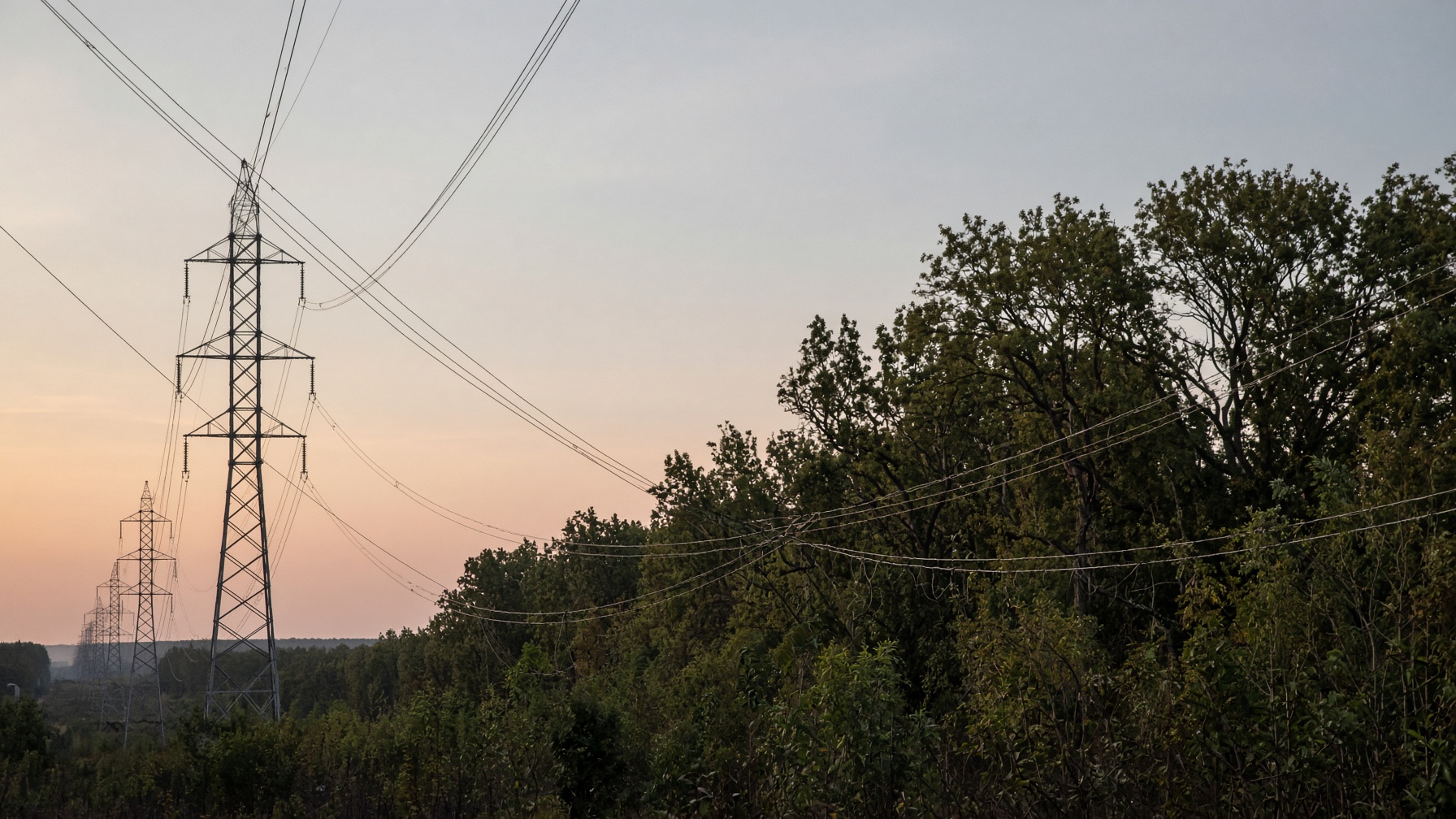
Lines sag in heat. Trees take them down in wind. Geomagnetic current heats the transformers at the ends. None of these causes agrees to wait its turn. A late-summer week with a solar storm on top of a heat wave is the realistic compound case, and it looks like “the grid is old” because the grid is old.
Sag is clearance. A span that sat above the brush in spring hangs lower when the metal is hot and the load is high. The tree did not have to lunge. The wire came down to a distance that used to be enough. Heat is a demand story about air conditioners and, on the same afternoon, a geometry story about wire.
The current a geomagnetic storm drives is not the ordinary current those transformers were built around. It heats them. A unit already working hard in a heat wave has less room left for that heat. The weather desk and the space-weather desk are two stresses on the same iron.
A hearing that demands the single cause will get a tidy answer and the wrong lesson. The crew can point at a tree, a relay, or a hot day, and more than one of those can be true. The preparedness question is whether the line still had margin when the second cause showed up.
Maintenance — the unloved work of cutting trees and replacing units before they die — is electromagnetic preparedness. It just does not photograph like a shield.
Replacing a unit before it fails is how a storm week avoids discovering that the spare was a paragraph. Cutting the tree is how sag has somewhere to go that is not a fault. Both are slow, local, and easy to defer in a budget year that prefers a project someone can pose beside.
When you see a utility trimming aggressively, you are watching the cheapest resilience program in the sector. It will annoy people who wanted the shade. It is still the work that keeps a compound week from starting with a fault nobody needed to donate to the storm.
Sources
- Space Weather: An Overview of Policy and Select U.S. Government Roles (CRS R46049) — Congressional Research Service · the article this brief was written from
- Evaluation of the Physical Security Reliability Standard and Physical Attacks on the Bulk-Power System — Federal Energy Regulatory Commission
- Electromagnetic Pulse and Geomagnetic Disturbance — Cybersecurity and Infrastructure Security Agency
More in Grid
- Metcalf still explains the grid better than most white papers
by: Andrew, Co-Founder at Blackout Briefing
- San Antonio’s hardening pilot is a template, not a finish line
by: Andrew, Co-Founder at Blackout Briefing
- Inverter-based resources changed where the grid can break
by: Andrew, Co-Founder at Blackout Briefing
Recent news
EMP
The civilian grid is still the soft target in a high-altitude pulseby: Andrew, Co-Founder at Blackout Briefing
CME
A Carrington-class storm is a when, not a science-fiction ifby: Andrew, Co-Founder at Blackout Briefing
Survival
The first seventy-two hours are a sequence, not a vibeby: Andrew, Co-Founder at Blackout Briefing